
DIGITAL SOLUTIONS
Crack Meters
Crack Meters are employed in multiple geotechnical construction applications to monitor movement in structures along surface cracks or construction joints
Overview
Overview
Crack Meters are employed in multiple geotechnical construction applications to monitor movement in structures along surface cracks or construction joints. Crack Meters are primarily used during the construction of mass concrete structures such as dams, bridges, and retaining walls.
Our Crack Meter range

Digital Solutions
3D Vibrating Wire Crack Meter

Digital Solutions
Crack Meter
Industries
Industries

Civil infrastructure
Energy

Surface metal

Underground mining
Learn more about Crack Meters
When installed, Crack Meters record and monitor any structural changes caused by geotechnical activity, allowing for ongoing oversight of structural integrity.
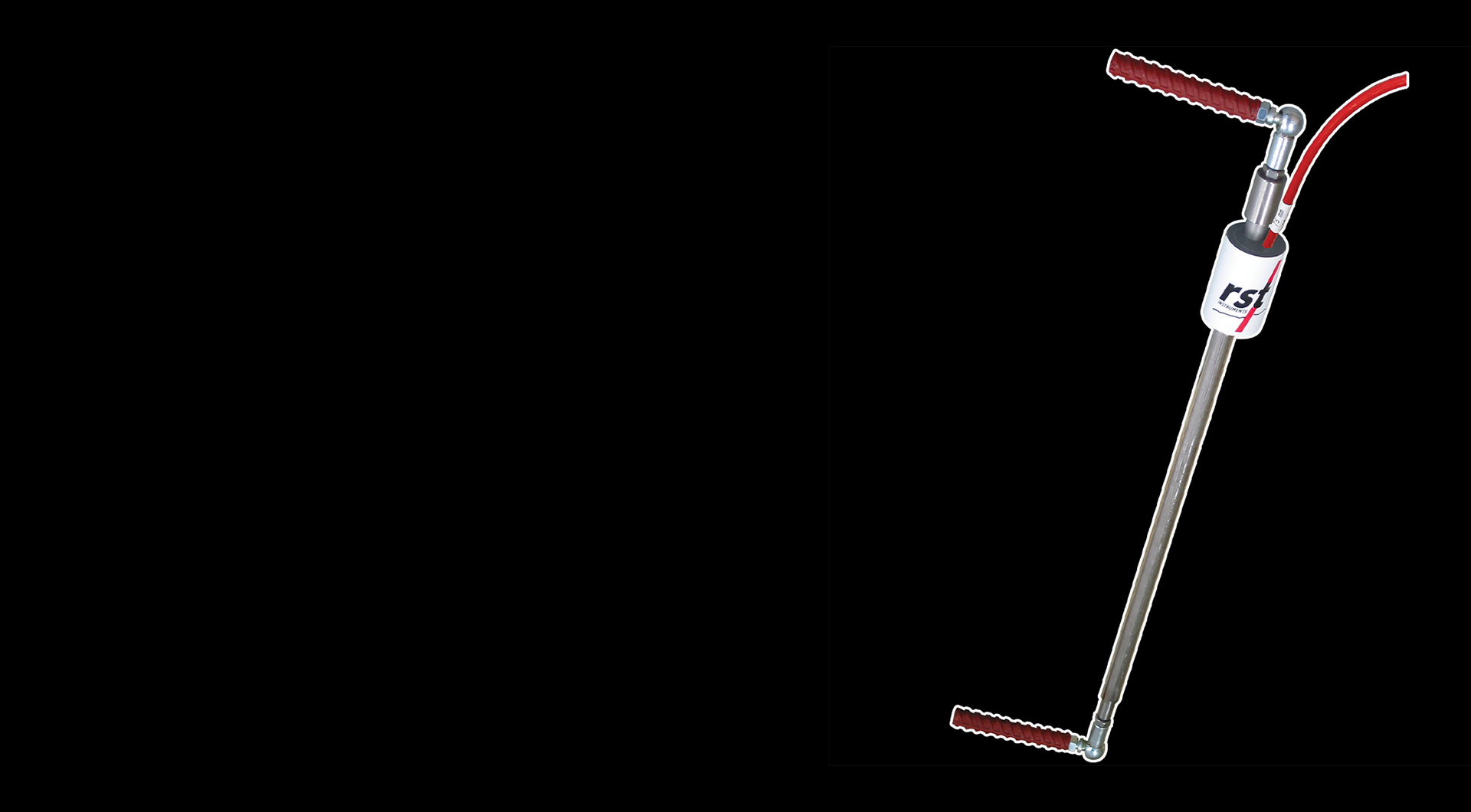
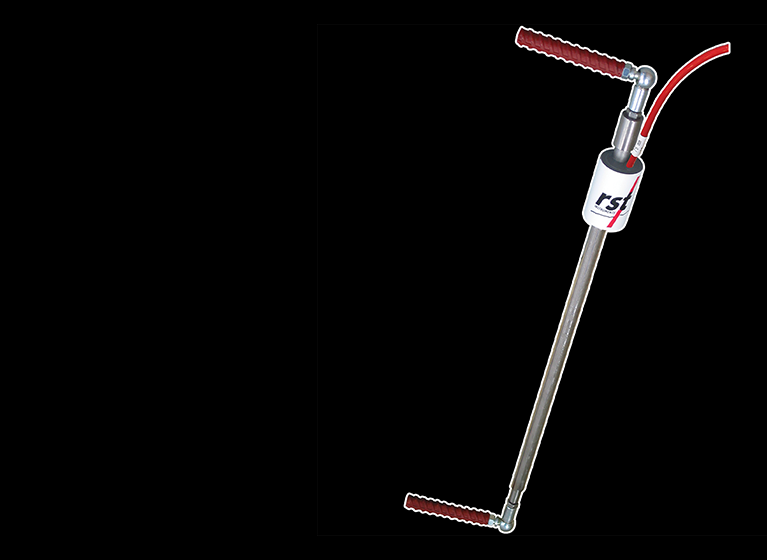
Crack Meters consist of two mounting anchors, each of which is secured to either side of the joint or crack to measure displacement. The anchors are connected with a Vibrating Wire displacement transducer which can be supplied in varying options of measuring range between 25mm and 200mm.
If movement occurs within the structure causing the distance between the anchors on either side of the joint or crack to change, this change of distance will accurately be measured by the Vibrating Wire transducer. Crack Meters can also be used to trigger an alarm if structural movement exceeds a pre-set maximum displacement.
A 3D Crack Meter model is also available for situations where an X, Y and Z axial measurement are of importance such as structural joints which may encounter multi-directional deformation.
An accurate history of this movement can be recorded using an RST VW2106 Vibrating Wire Readout or RSTAR Affinity Data Logger together with an RSTAR Affinity Gateway for a fully automated system. Trigger alarms can then be set within the RSTAR Affinity Data Platform.
Case studies
Contact an expert
Contact an expert