
DIGITAL SOLUTIONS
Signal Cables
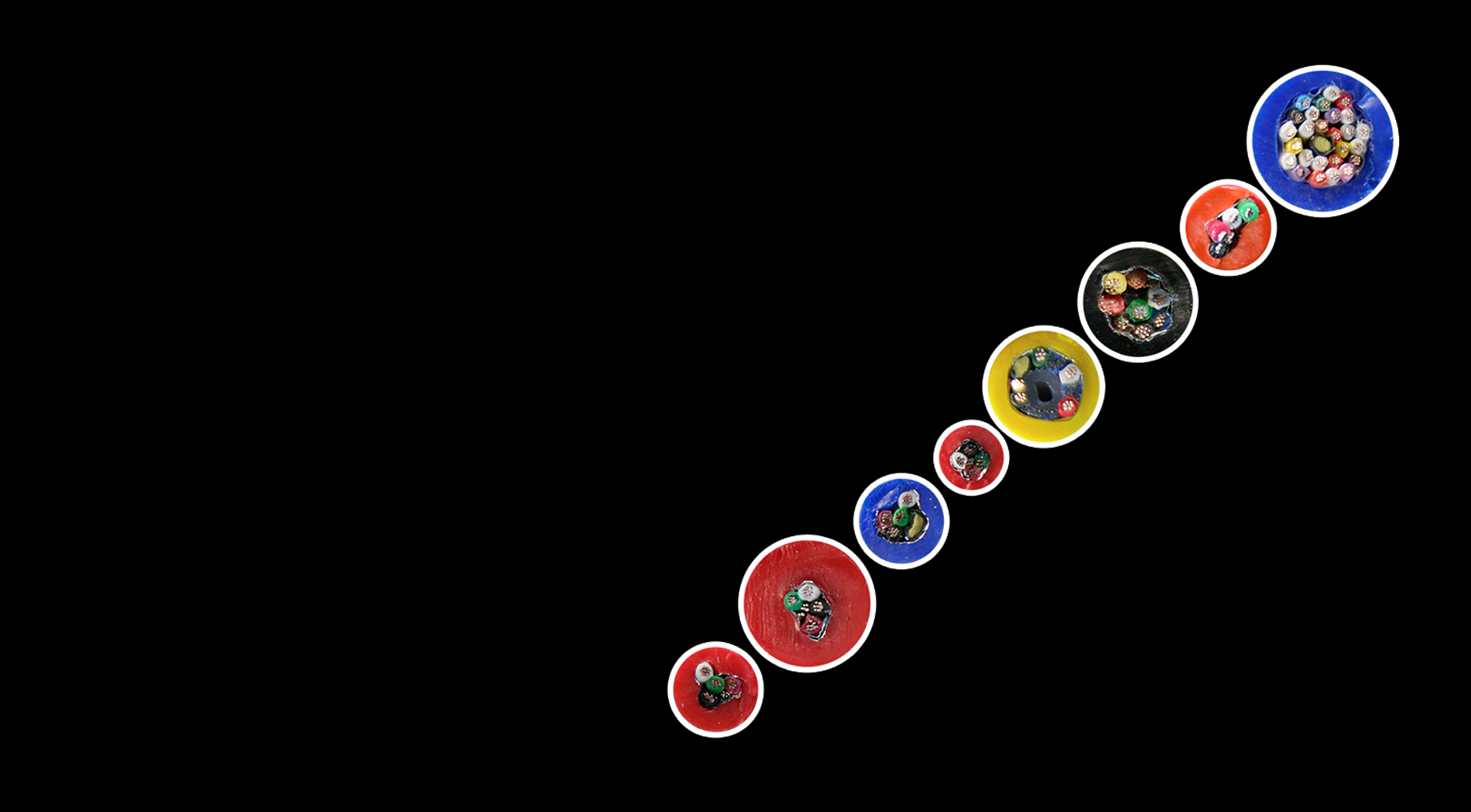
RST offers a full range of outdoor rated signal cables to connect our vibrating-wire piezometers, load and pressure cells, crack meters, and other instruments.
Overview

Overview
RST offers a full range of outdoor rated signal cables to connect our vibrating-wire piezometers, load and pressure cells, crack meters, and other instruments.
Our Signal Cable range

Digital Solutions
Cables

Digital Solutions
Lightning and Transient Protectors
Learn more about signal cables
The best geotechnical monitoring system is useless without the ability to reliably move data between instruments. Despite the increasing place of wireless technology in data transmission, RST Instruments’ Signal Cables are often the best or only way to ensure that the data your company depend on are always at your fingertips.
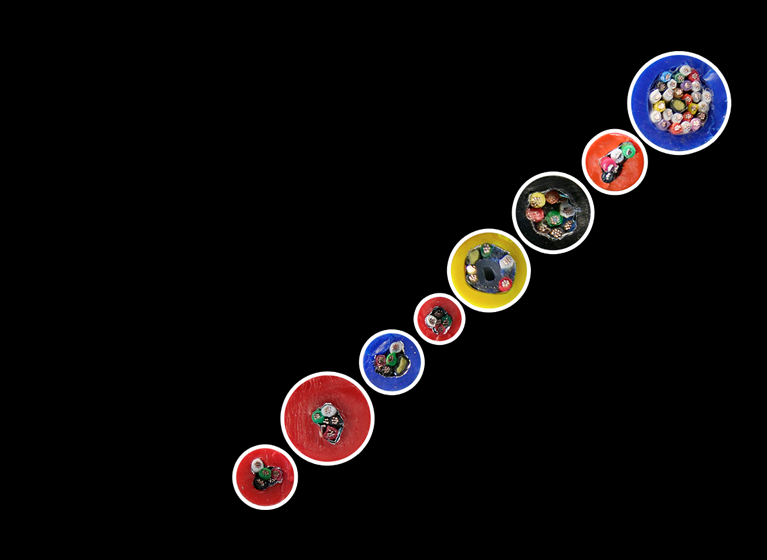
RST’s Signal Cables have between 2 and 26 conductors to match any data-transmission needs, with jackets of varying thicknesses and materials to strike the right balance between unobtrusive size and durability. Abrasion-resistant and anti-stretch jackets, with or without Kevlar reinforcement, are available for Signal Cables exposed to impacts or tensile stresses. Other options include water-blocked and grease-blocked jackets, HDPE jackets for acidic environments such as landfills and saltwater, and vented cables for barometric compensation. Most RST Signal Cables are meter marked for ease of installation and repair.
In addition, RST’s SURGE Series transient protectors keep your system safe by grounding transient electrical fields that can damage sensors and terminals connected by long horizontal wiring. During transient events, the device’s four signal lines and one shield line are routed to the pre-assembled grounding circuit. Once the transient is over, the device self-resets, allowing normal operation to resume. SURGE Series transient protectors can be installed in either a NEMA-4X enclosure or in a compact T35 DIN-rail housing with screw-terminal input/output and ground connection through a DIN rail typically used in FlexDAQ data loggers
Industries
Industries

Civil infrastructure
Energy

Surface metal
Underground mining
Blogs
Case studies
Contact an expert
Contact an expert